Organised by: GEOSYN, in collaboration with Geo-Cluster partner projects and the 2Cool2Waste Cluster
The workshop will bring together experts and project representatives to explore the key conditions needed to accelerate the deployment of geothermal heating & cooling and thermal energy storage across Europe.
This forum, hosted by INOVA Institute in partnership with La Palma Research Centre (LPRC) and Energy Institute Hrvoje Požar (EIHP) within the framework of the EU-funded Greet GEO project (I3 Programme, Grant Agreement nº 101180405), aims to showcase practical insights, technical advances, and strategic pathways for accelerating geothermal energy deployment across European regions.
A comprehensive review of intersectoral and interregional experiences will be presented, drawing on technical case studies and regional assessments, from de-risking deep geothermal investments in Croatia and shallow geothermal applications for heating and cooling in Canary Islands, to operational district heating networks such as São Pedro do Sul (Mainland Portugal).
Despite its vast potential, geothermal energy as a whole remains underutilized across many European regions, namely in EU outermost regions. The forum addresses this gap by presenting first results on the Report on Geothermal Investment Opportunities in the Azores, Madeira, and Canary Islands, to identify investment-oriented approaches, policy frameworks, and market barriers.
The event emphasizes cross-sectoral synergies, regulatory harmonization, and supply chain innovation to foster decarbonization and regional energy independence. To demonstrate sustainable island applications, participants are invited to join a technical field visit to INOVA’s experimental greenhouses, the Ribeira Grande geothermal field and power plants, the Caldeira Velha thermal area, and the Fogo Volcano caldera.
Purpose:
The Azores Greet GEO Forum aims to strengthen interregional value chains, innovation ecosystems, and policy frameworks to accelerate deep and shallow geothermal deployment. By fostering direct collaboration between EU outermost regions (Azores, Madeira, Canary Islands) and continental partners, the event addresses market and regulatory barriers to facilitate investment. Ultimately, it empowers regional stakeholders, policy-makers, and SMEs to actively engage in sustainable, scalable geothermal energy ecosystems.
Azores Greet GEO Forum: Strengthening Interregional Cooperation for Geothermal Development in EU Outermost Regions
Draft Agenda
Date: 16th September 2026
Location: INOVA Institute, ENTA Auditorium, Ponta Delgada, São Miguel, Azores
Morning Program – From Geothermal Potential to Deployment
09:00 – 09:30
Welcome and Registration
09:30 – 11:00
Session 1- Interregional Perspectives and Technical Insights
09:30 – 09:50
Geothermal Development in Croatia: History, Legislation and Ongoing Projects – Željka Sladović (GeoDa Consulting d.o.o./ HUGE)
09:50 – 10:10
Advancing Deep Geothermal in the Canary Islands – Speaker to be confirmed
10:10 – 10:30
The São Pedro do Sul (Portugal Mainland) Geothermal District Heating Network – Kevin Castro Cañon (University of Beira Interior)
10:30 – 10:50
Shallow Geothermal for Heating & Cooling: Canary Islands Experiences – Speaker to be confirmed
10:50 – 11:15
Coffee Break
11:15 – 12:30
Session 2- Panel Discussion: Business, Policy, Investment and Market Barriers
11:15 – 11:30 11:30 – 12:30
Introduction: “Report on Geothermal Investment Opportunities in the Azores, Madeira and Canary Islands: First Results”, by Fundo de Maneio (Azores)Panel Discussion with experts from GreetGEO partners and European Union OMR (Azores, Madeira and Canary Islands) Audience Q&A
13:00 – 15:00
Geothermal Lunch (free):Caldeiras da Ribeira Grande fumarolic field – Traditional Azorean geothermal stew / “Cozido”
Afternoon Program – Geothermal Field Trip
15:00 – 19:00
Field Visit: INOVA Institute greenhouses, Ribeira Grande geothermal field and powerplants, Caldeira Velha thermal area and Fogo Volcano caldera and lake.
https://greetgeo.eu/wp-content/uploads/2026/02/banner-news-57-scaled.png8002560ariadna.ortegahttps://greetgeo.eu/wp-content/uploads/2024/12/logo-18.svgariadna.ortega2026-08-26 14:29:342026-09-10 14:57:23Azores Greet GEO Forum: Strengthening Interregional Cooperation for Geothermal Development in EU Outermost Regions
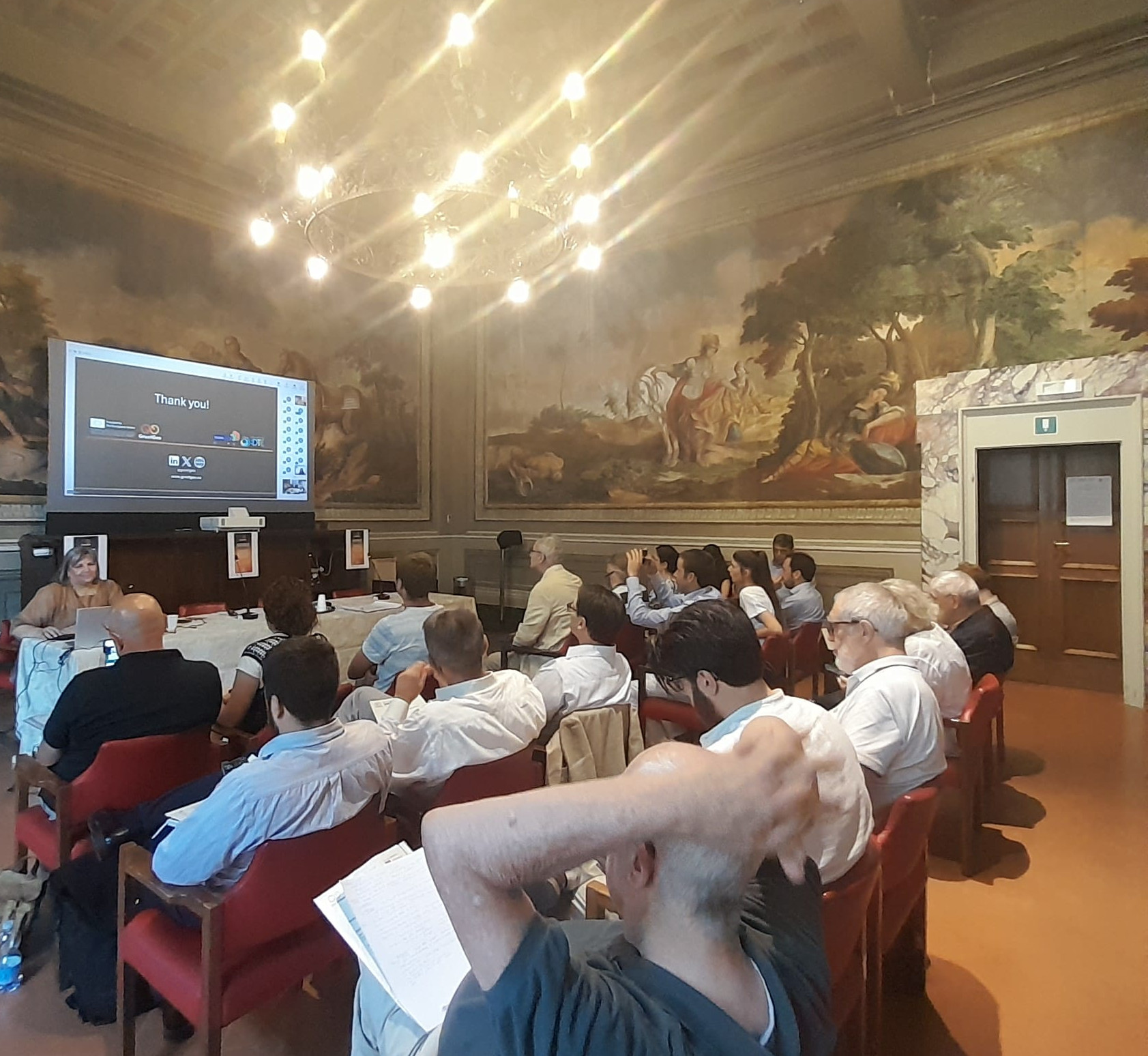
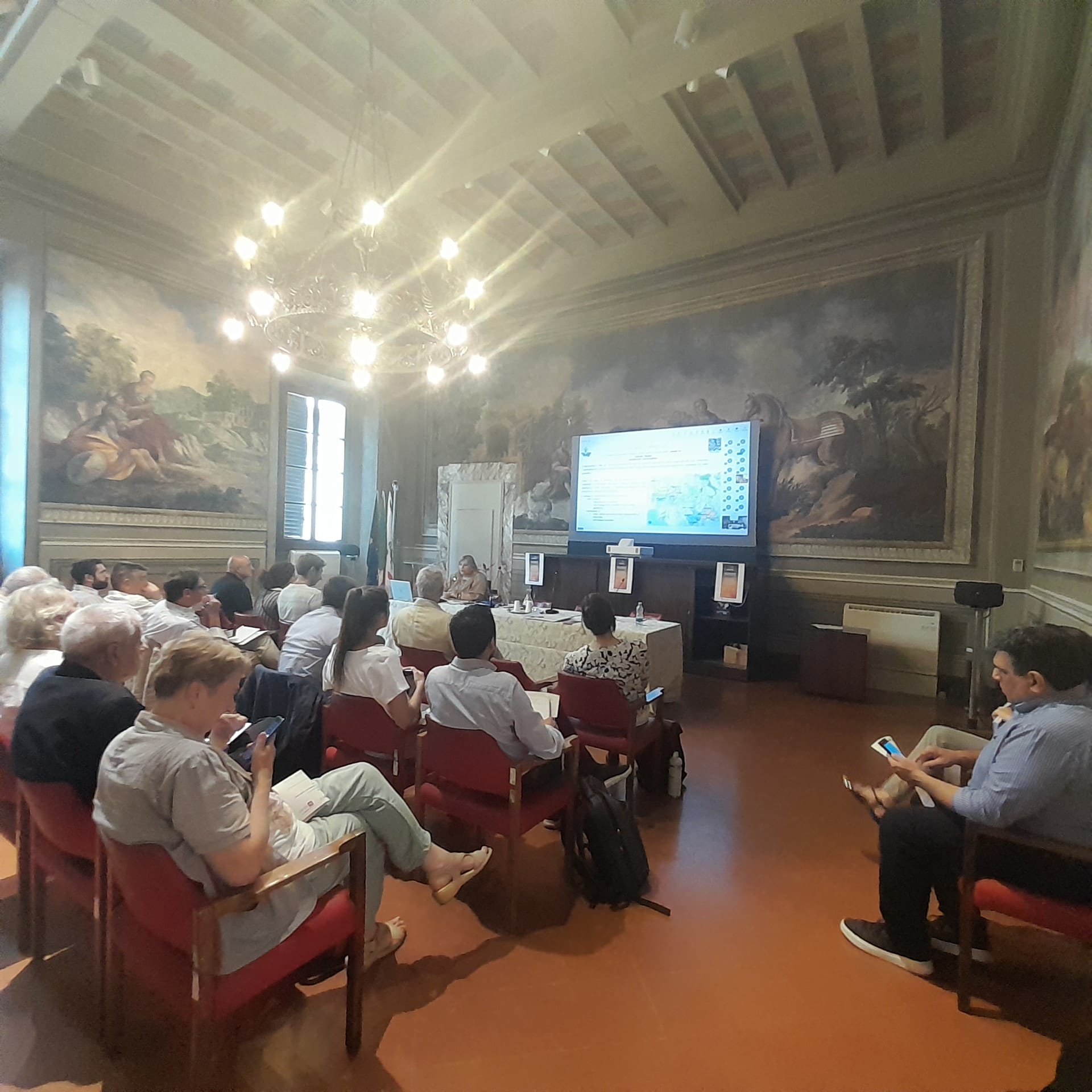
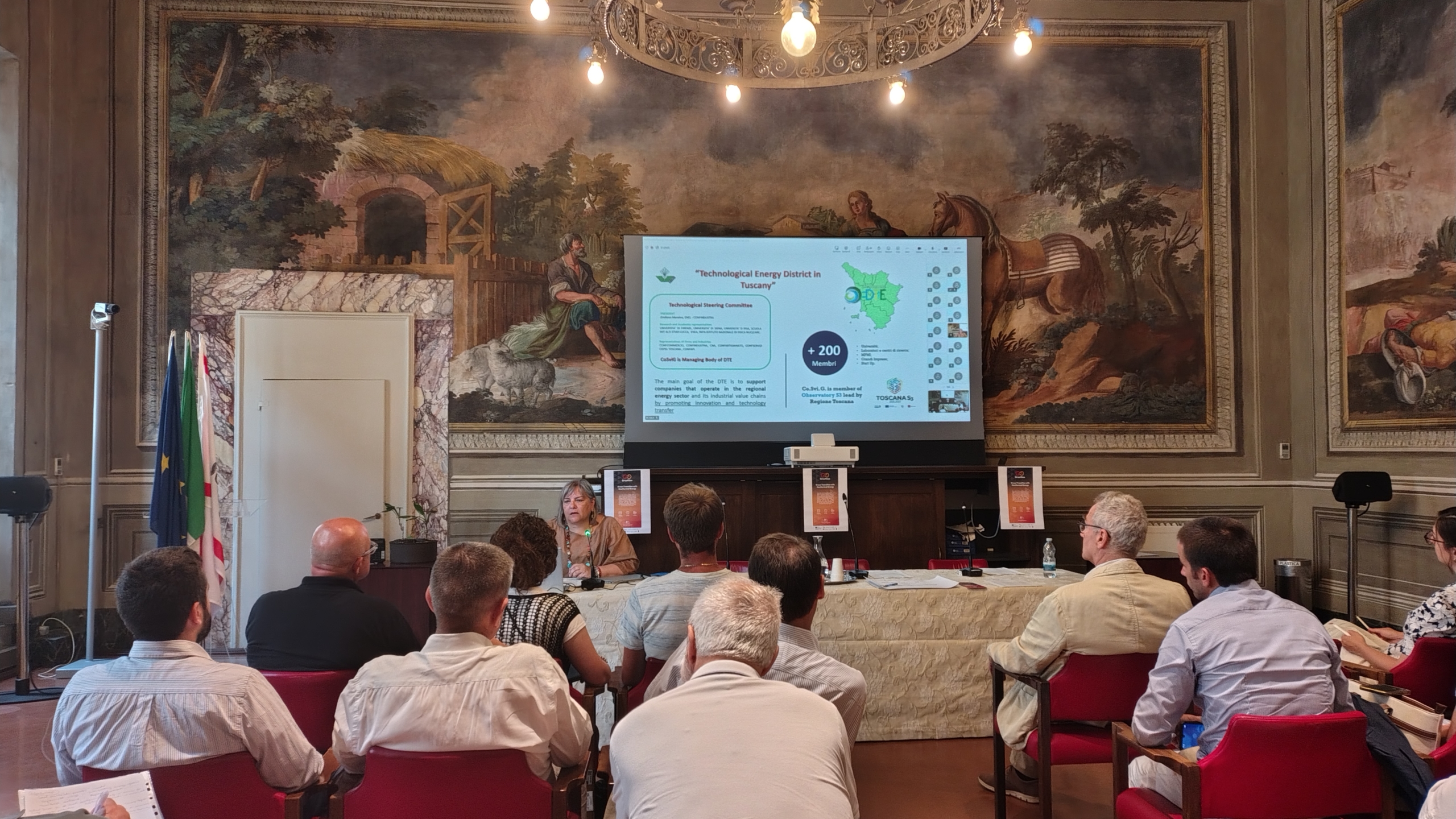
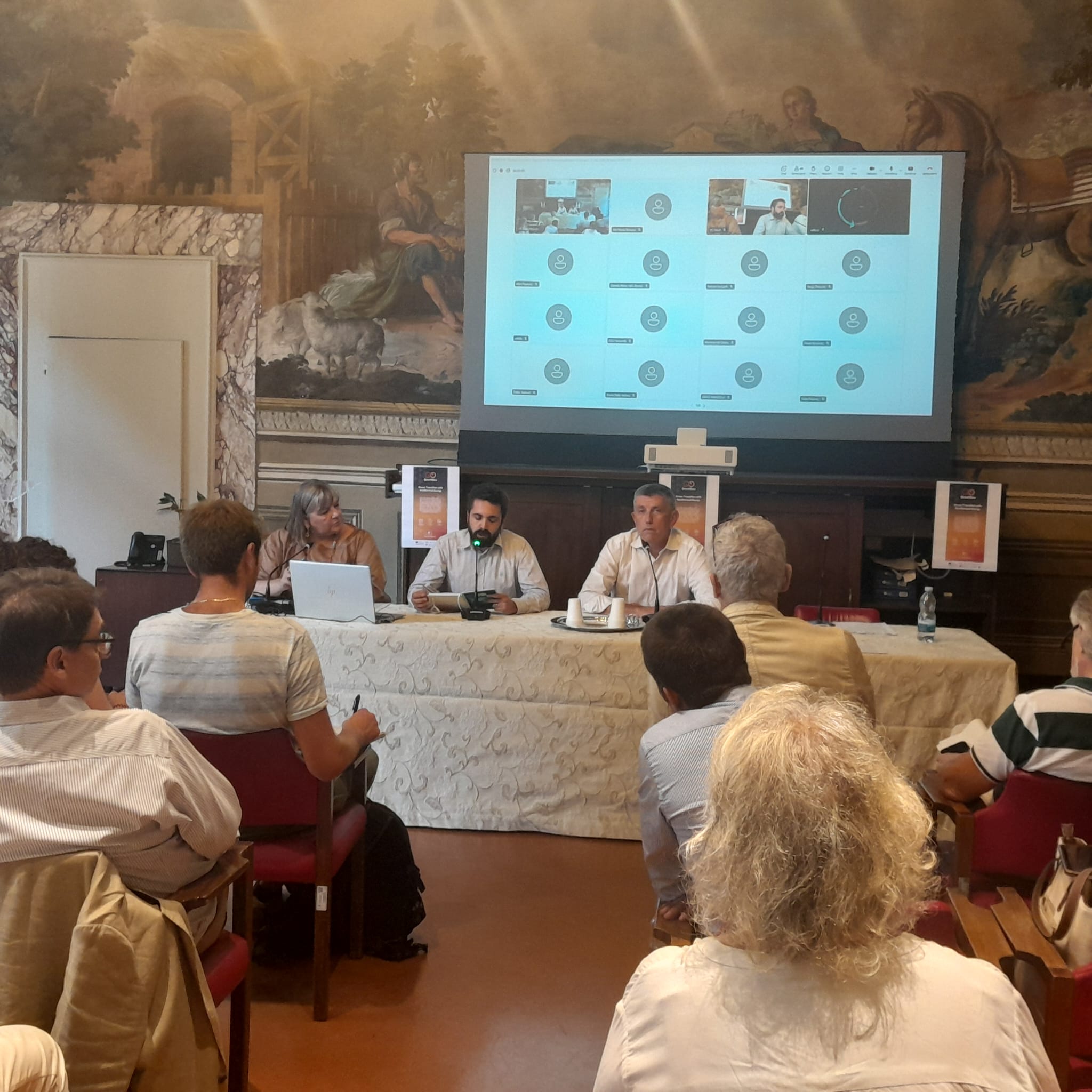
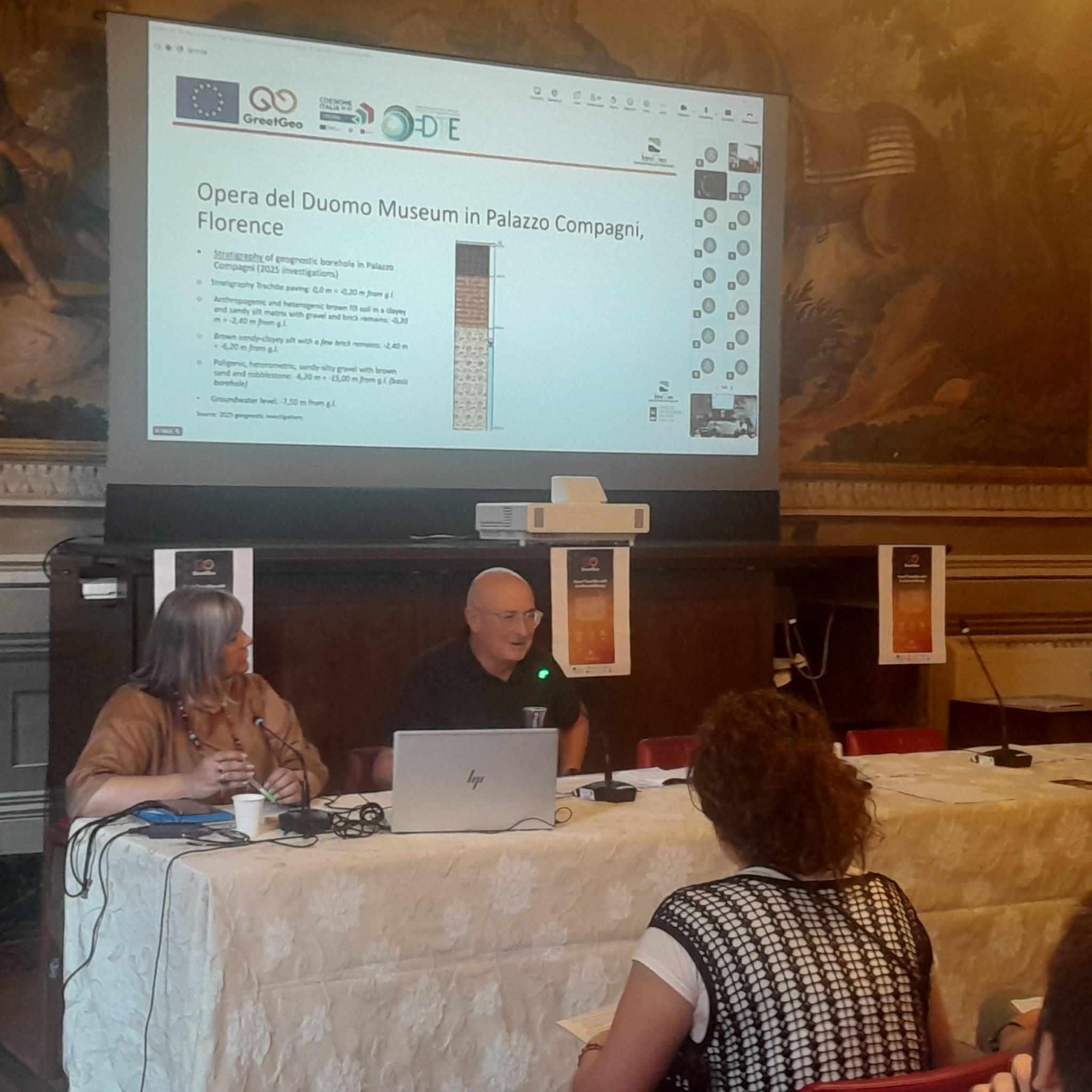
The international workshop “Strategic Innovation Agenda for Geothermal Exploitation in Europe” was successfully held on 21 July in Florence and online, attracting a strong audience of stakeholders, experts, and industry representatives committed to advancing geothermal energy across Europe.
Organized by COSVIG-DTE and the GreetGeo Project consortium, with the support of Region of Tuscany, the event provided an important platform for discussion on the future of geothermal energy and its role in Europe’s transition toward a more sustainable and resilient energy system.
The workshop brought together leading experts from academia, industry, regional authorities, and research organizations to exchange knowledge, share experiences, and explore innovative strategies for the development and deployment of geothermal technologies. Discussions focused on strengthening collaboration, fostering innovation, and identifying opportunities to accelerate the sustainable growth of the geothermal sector across Europe.
The organizers expressed their sincere appreciation to all speakers for their valuable contributions and to the many participants who attended both in person and remotely. Their active engagement enriched the discussions and reinforced the importance of cross-border cooperation in driving innovation and sustainable development within the geothermal sector.
The event also highlighted the collaborative efforts of the GreetGeo Project partners, whose collective expertise continues to support the advancement of geothermal energy solutions throughout Europe. The successful outcome of the workshop marks another important step toward shaping a shared strategic vision for geothermal innovation, helping unlock the full potential of this renewable energy resource as a key contributor to Europe’s clean energy future.
https://greetgeo.eu/wp-content/uploads/2026/08/0.1-SALA.jpeg19201920ariadna.ortegahttps://greetgeo.eu/wp-content/uploads/2024/12/logo-18.svgariadna.ortega2026-08-17 14:55:272026-08-17 14:55:29International Workshop on the Strategic Innovation Agenda for Geothermal Exploitation in Europe Concludes Successfully
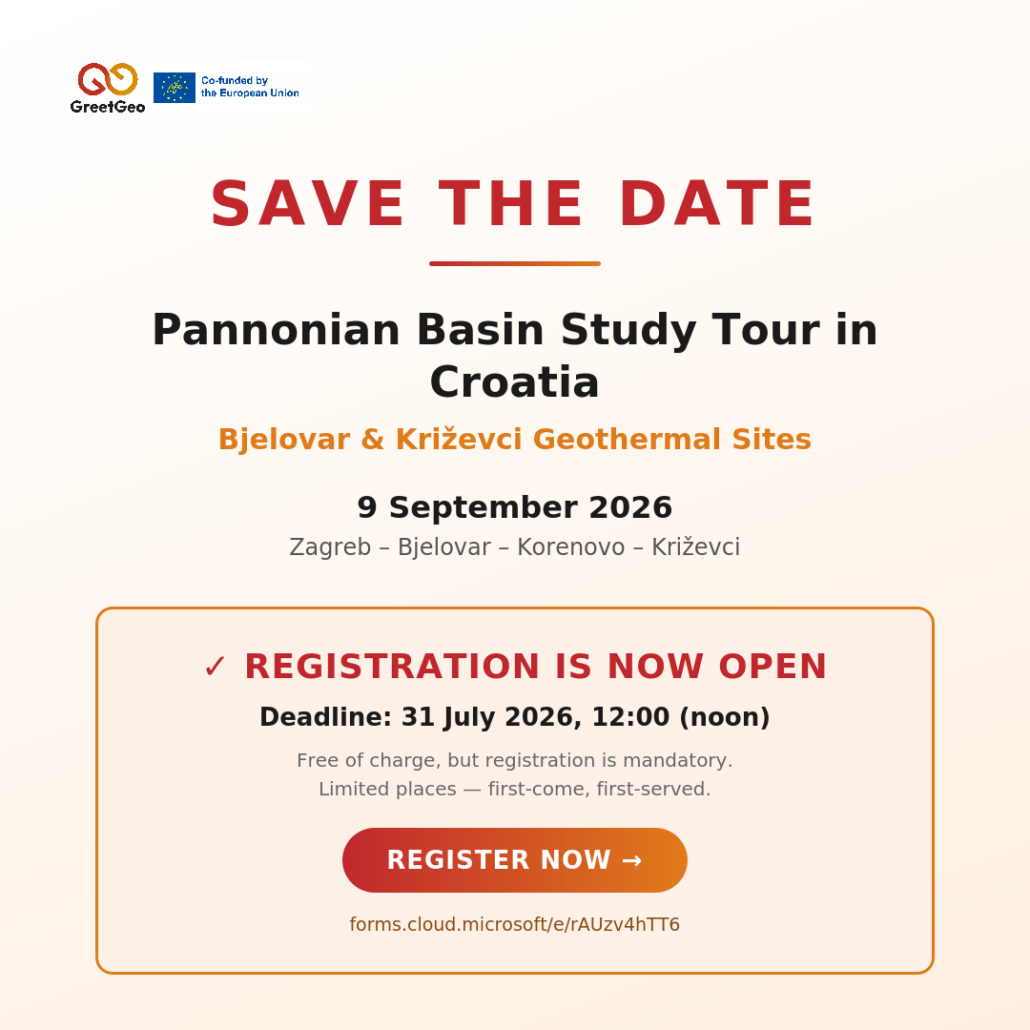
The Energy Institute Hrvoje Požar is pleased to announce the Pannonian Basin Study Tour in Croatia, taking place on 9 September 2026. Organised within the framework of the GreetGeo and LIFE RISE DHC projects, the tour will provide participants with a unique opportunity to explore some of Croatia’s leading geothermal developments in Bjelovar, Korenovo and Križevci.
The study tour will begin in Zagreb and take participants to key geothermal sites across the Pannonian Basin region, showcasing innovative projects and practical applications of geothermal energy. The event will bring together energy professionals, policymakers, local authorities, researchers and other stakeholders interested in sustainable heating and renewable energy solutions.
As places are limited, registrations will be accepted on a first-come, first-served basis.
A detailed agenda and practical information will be sent to all registered participants in due course.
The study tour is organised by the Energy Institute Hrvoje Požar, as part of the GreetGeo project, and also supported by CROGEA through expertise and access to its member network.
https://greetgeo.eu/wp-content/uploads/2026/02/banner-news-57-scaled.png8002560Raquel Pinohttps://greetgeo.eu/wp-content/uploads/2024/12/logo-18.svgRaquel Pino2026-07-21 16:25:162026-07-24 11:26:05Registration Open for the Pannonian Basin Study Tour in Croatia
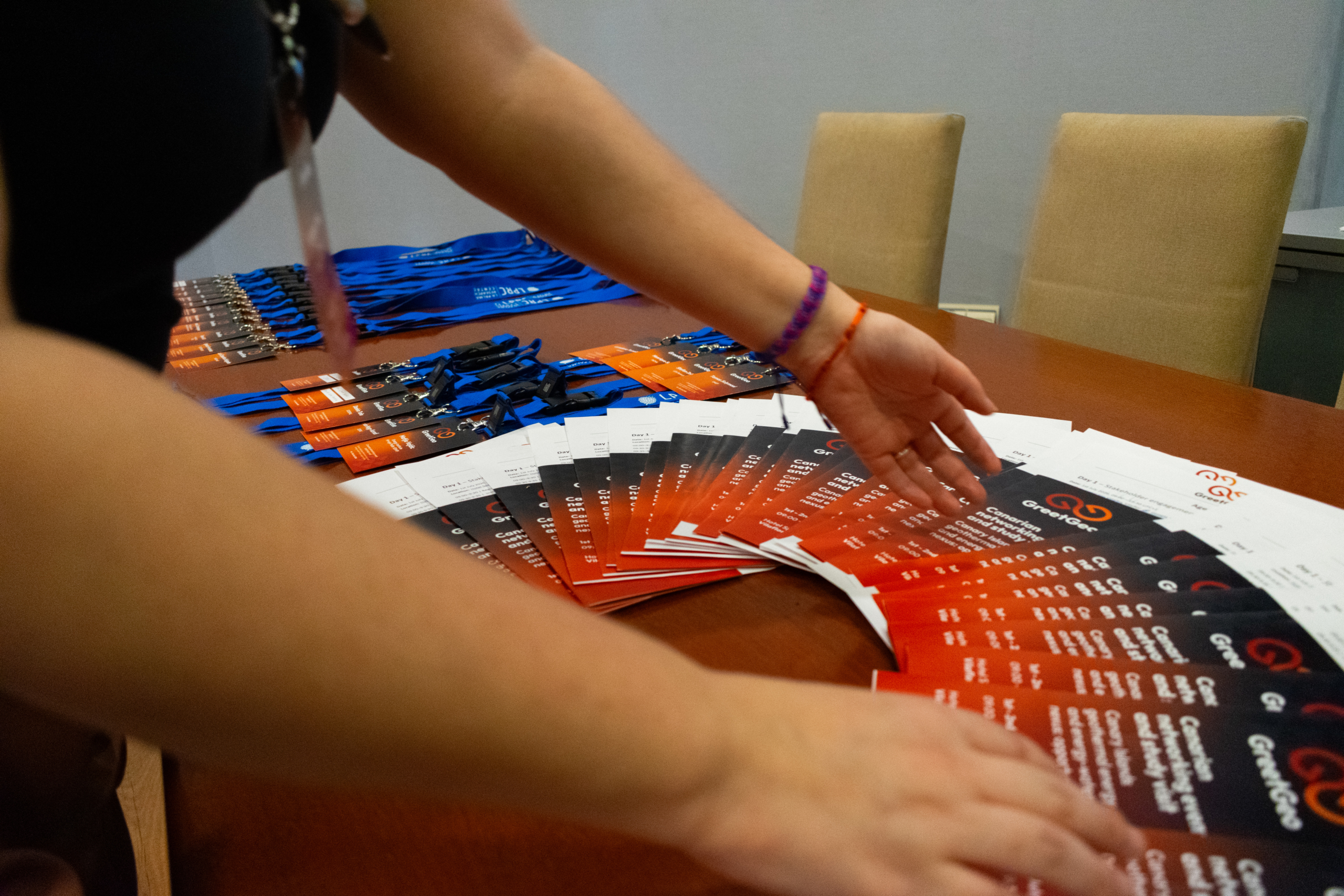
The Greet GEO Canarian Networking Event and Study Visit successfully brought together around 30 participants in person, alongside additional attendees joining online, for two days of discussion, knowledge exchange and field visits focused on the future of geothermal energy in the Canary Islands. The event was held in the town of Vilaflor, Tenerife, Spain during the 1st and 2nd of July.
The event gathered representatives from the Greet GEO consortium, public authorities, research centres, energy agencies, energy communities and other stakeholders interested in advancing geothermal solutions and strengthening the energy transition in the archipelago. Among the participants were representatives from the Cabildo de Gran Canaria, local and regional organisations, geothermal experts and members of the wider innovation ecosystem.
The first day focused on stakeholder engagement and explored the opportunities offered by geothermal energy and the energy-water nexus in the Canary Islands. Discussions highlighted how geothermal resources can contribute to greater energy autonomy, decarbonisation and economic diversification across the region. Participants also examined the challenges and opportunities associated with both shallow and deep geothermal development, as well as potential pathways for investment, innovation and interregional cooperation.
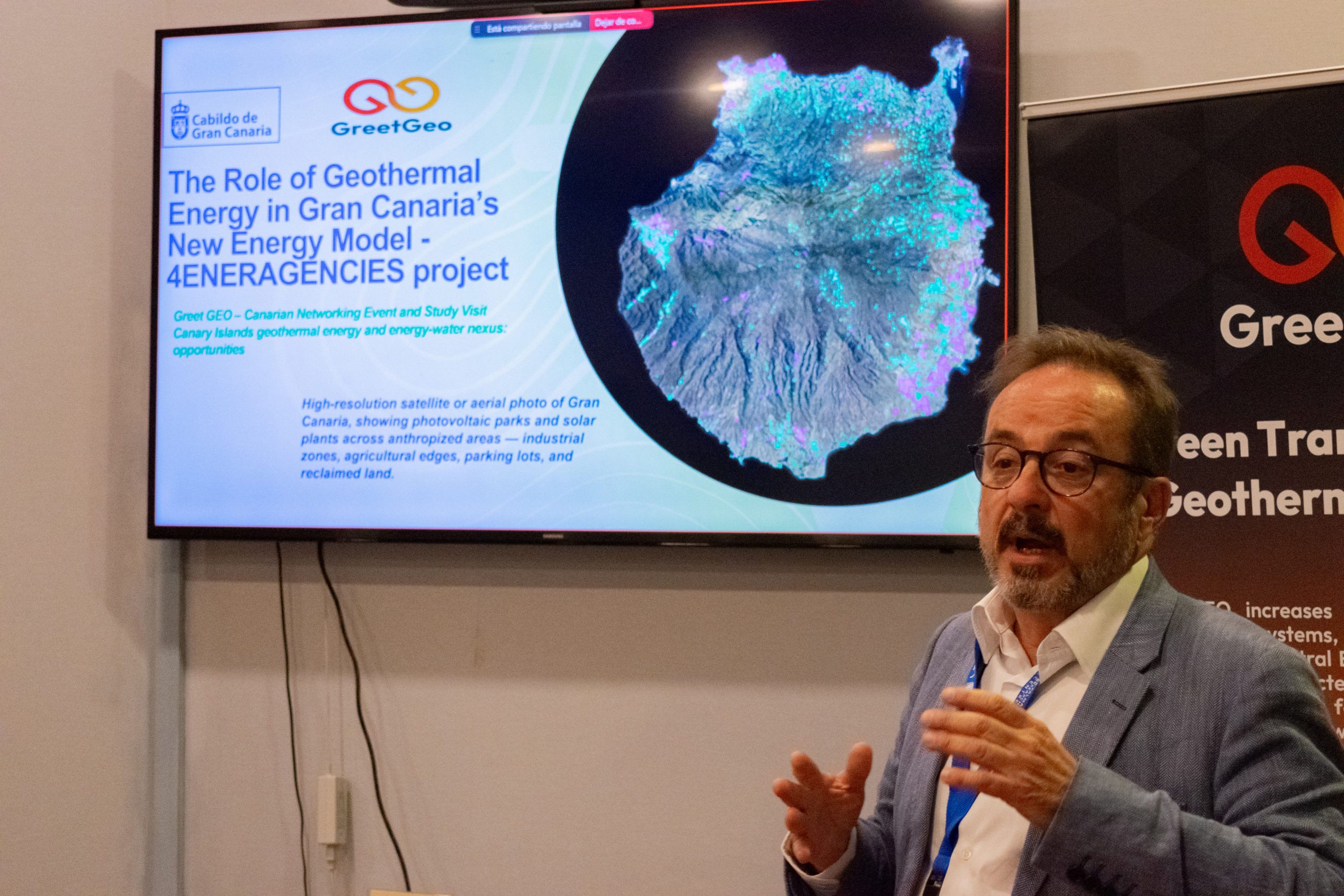
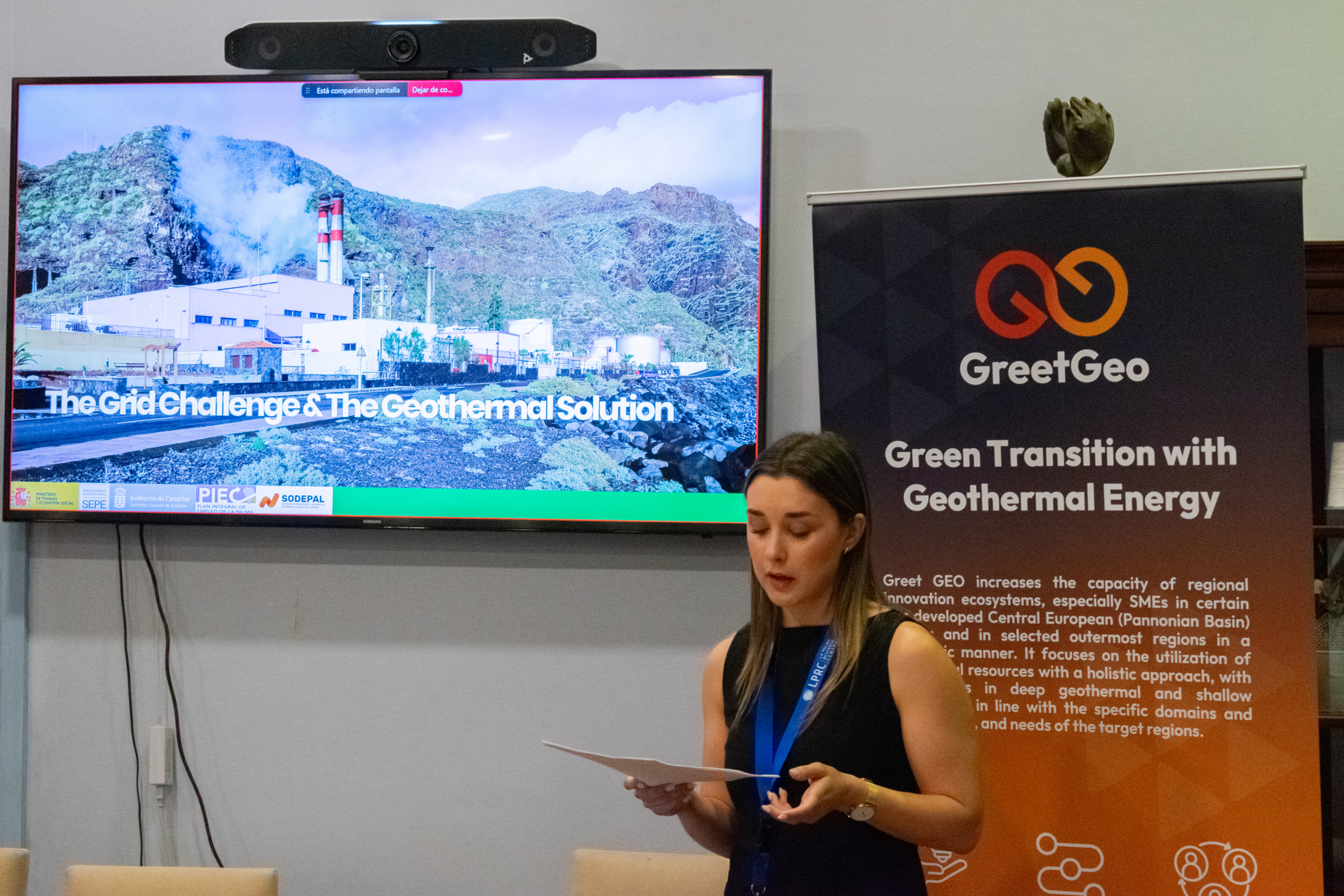
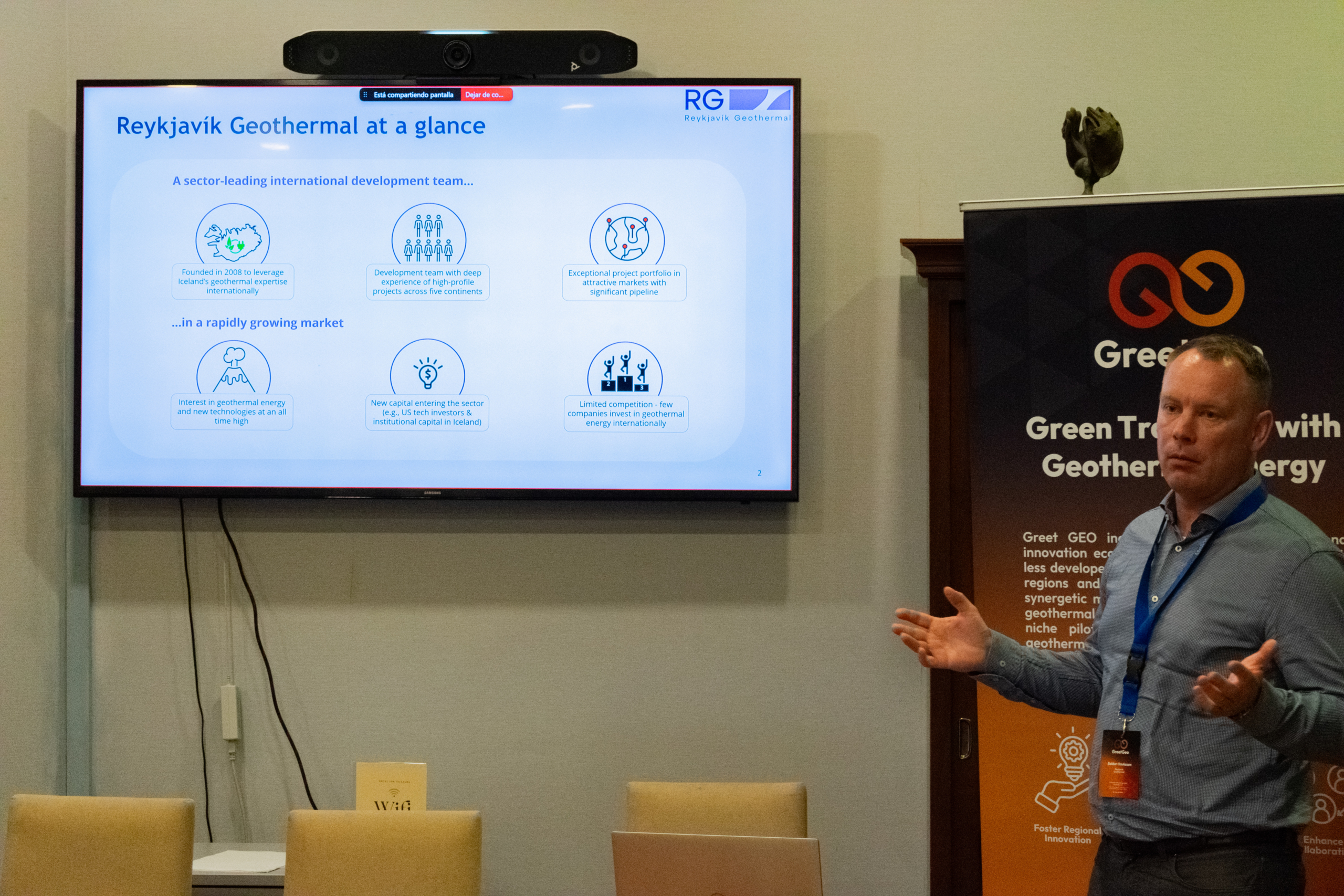
The programme featured presentations from several leading experts and institutions. Daniela Taño (SODEPAL) presented geothermal project development opportunities in La Palma. Raúl García Brink, Councillor for Environment, Climate, Energy and Knowledge at the Cabildo de Gran Canaria, addressed the role of geothermal energy within Gran Canaria evolving energy model. Alejandro García Gil of CSIC-IGME shared insights into geothermal-water nexus innovation opportunities and the potential of shallow geothermal systems in the Canarian context. Gabriel López, representing the Canary Islands Institute of Technology (ITC), contributed perspectives on geothermal heat pumps and low-temperature district heating solutions. Baldur Hauksson of Reykjavík Geothermal discussed the advancement of deep geothermal development in the Canary Islands, including the Vilaflor project spearheaded by DISA Group.
In addition to the keynote contributions, members of the Greet GEO consortium shared experiences and best practices from different European regions, fostering dialogue on successful geothermal applications, policy frameworks and financing mechanisms that could support future developments in the Canary Islands.
The second day included a study visit to Teide National Park, providing participants with a broader understanding of Tenerife’s volcanic and geothermal environment and highlighting the close connection between the island’s natural heritage and its renewable energy potential.
The event aimed to reinforce the importance of collaboration between public authorities, research organisations, industry representatives, energy communities and citizens in unlocking the Canary Islands’ geothermal potential through bringing together expertise from across Europe and the region, the Greet GEO Canarian Networking Event hope to have contributed to building new partnerships and advancing the conversation on sustainable geothermal development in the archipelago.
https://greetgeo.eu/wp-content/uploads/2026/07/DSC1137-scaled.jpg17072560ariadna.ortegahttps://greetgeo.eu/wp-content/uploads/2024/12/logo-18.svgariadna.ortega2026-07-09 15:31:322026-07-09 15:32:33Greet GEO Canarian Networking Event and Study Visit Brings Together Key Geothermal Stakeholders in Tenerife
Owing to the volcanic origin of the archipelago and the high geothermal gradients identified across several islands, the Canary Islands possess substantial geothermal potential. The use of these sources can play a significant role in strengthening energy autonomy, decarbonisation and economic diversification. Shallow geothermal systems are already technically feasible and potentially marketable, particularly for heating and cooling in hotels, public buildings, residential developments and agro-industrial facilities. These applications may offer immediate opportunities for local SMEs, engineering firms and public authorities to engage across the value chain—from resource assessment and drilling to installation and operation. Deep geothermal, while still at an earlier stage, holds strong long-term strategic potentials. Beyond electricity and heat generation, cascading uses such as geothermal-powered desalination, agricultural integration, agro-food processing and hybrid renewable systems could significantly enhance regional resilience. Within this context, the Greet GEO project seeks to strengthen regional innovation ecosystems through knowledge transfer, pilot development and capacity building. This event will foster collaboration, address regulatory and financing challenges, and help structure realistic, bankable geothermal value chains tailored to the Canarian context.
Purpose:
Solutions for unlocking geothermal potentials are to be identified and discussed via the analysis of geothermal energy use and energy-water nexus, via technical, financial, communication, policy, public relations opportunities and barriers, via potential interregional synergies, best practice exchanges and via highly feasibly shallow & deep geothermal energy-based value-chains. Exchanges of information on relevant business opportunities, policy and public relation aspects, discussion initiation among stakeholders of the quadruple helix.
Day 1 – Stakeholder engagement workshop (hybrid) & site visit
09:35–9:45 | Welcome & introduction & Greet GEO project – Emese Karacsonyi, La Palma Research Centre (LPRC) & Matija Vajdic, Energy Institute, Hrvoje Požar (EIHP)
9:45–11:15 |Canarian overview: Geothermal energy status, prospects & issues
9:45-10:00
Canarian S3 strategy with relevance to renewables & geothermal energy – Representative (TBC), Government of the Canary Islands
10:00-10:15
Geothermal project development opportunities in La Palma Island – Daniela Taño – Renewable Energy Management Centre, Society for Economic and Social Promotion and Development of La Palma (SODEPAL)
10:15-10:30
The Role of Geothermal Energy in Gran Canaria’s New Energy Model – 4ENERAGENCIES project – Raul Garcia Brink, Councillor for Environment, Climate, Energy and Knowledge, Cabildo of Gran Canaria
10:30-10:45
Geothermal-water nexus innovation opportunities & shallow geothermal potentials for the Canarian region, GENESIS & SAGE4CAN projects – Alejandro Garcia Gil, Geological and Mining Institute of Spain (CSIC-IGME)
10:45-11:00
Centralized heat pumps, geothermal pumps low tempreature district heating network – CONNECT4HEAT project – Gabriel López, Canary Islands Institute of Technology (ITC) (online)
11:00-11:15
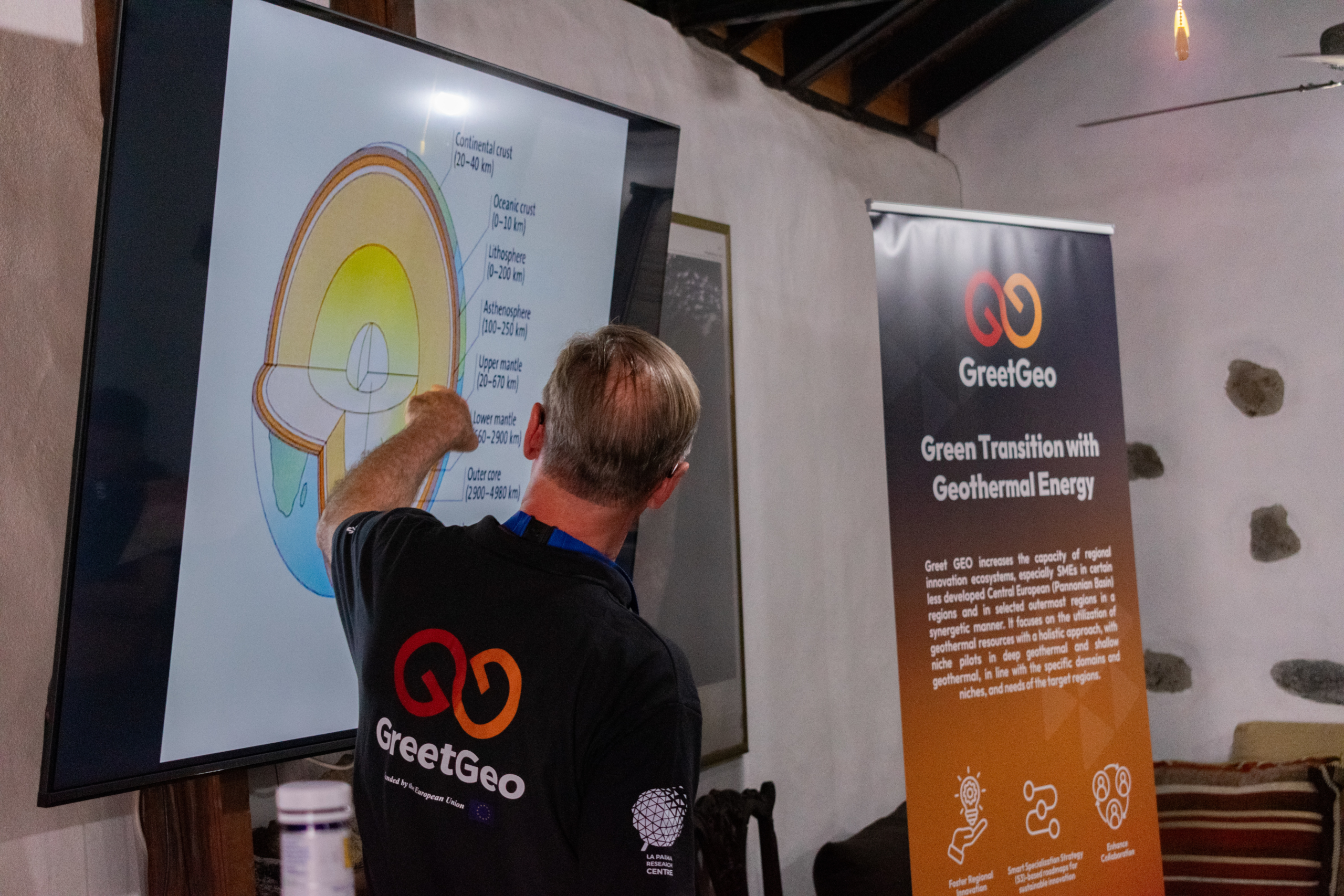
Advancing Deep Geothermal in the Canary Islands: The Vilaflor Project and Beyond – Baldur Hauksson, Reykjavík Geothermal
11:15–11:45 | Coffee break
11:45–13:15 | European best practices of geothermal energy utilization
11:45-12:00
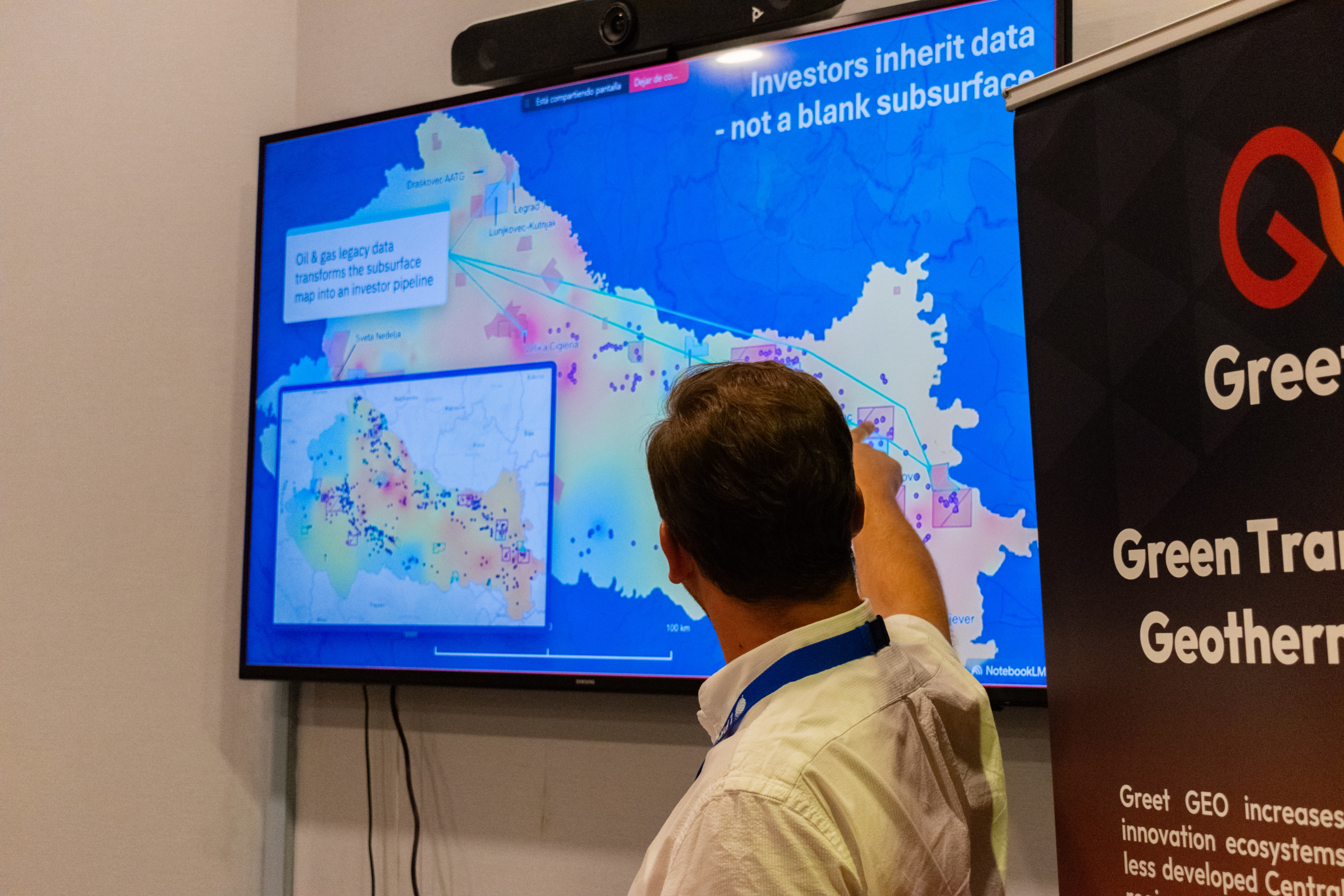
Geothermal energy utilisation in the Pannonian Basin – Matija Vajdic, Energy Institute, Hrvoje Požar (EIHP)
12:00-12:15
Geothermal solutions applied in the Azorean region – Henrique Sá, Institute for Technological Innovation of the Azores (INOVA)
12:15-12:30
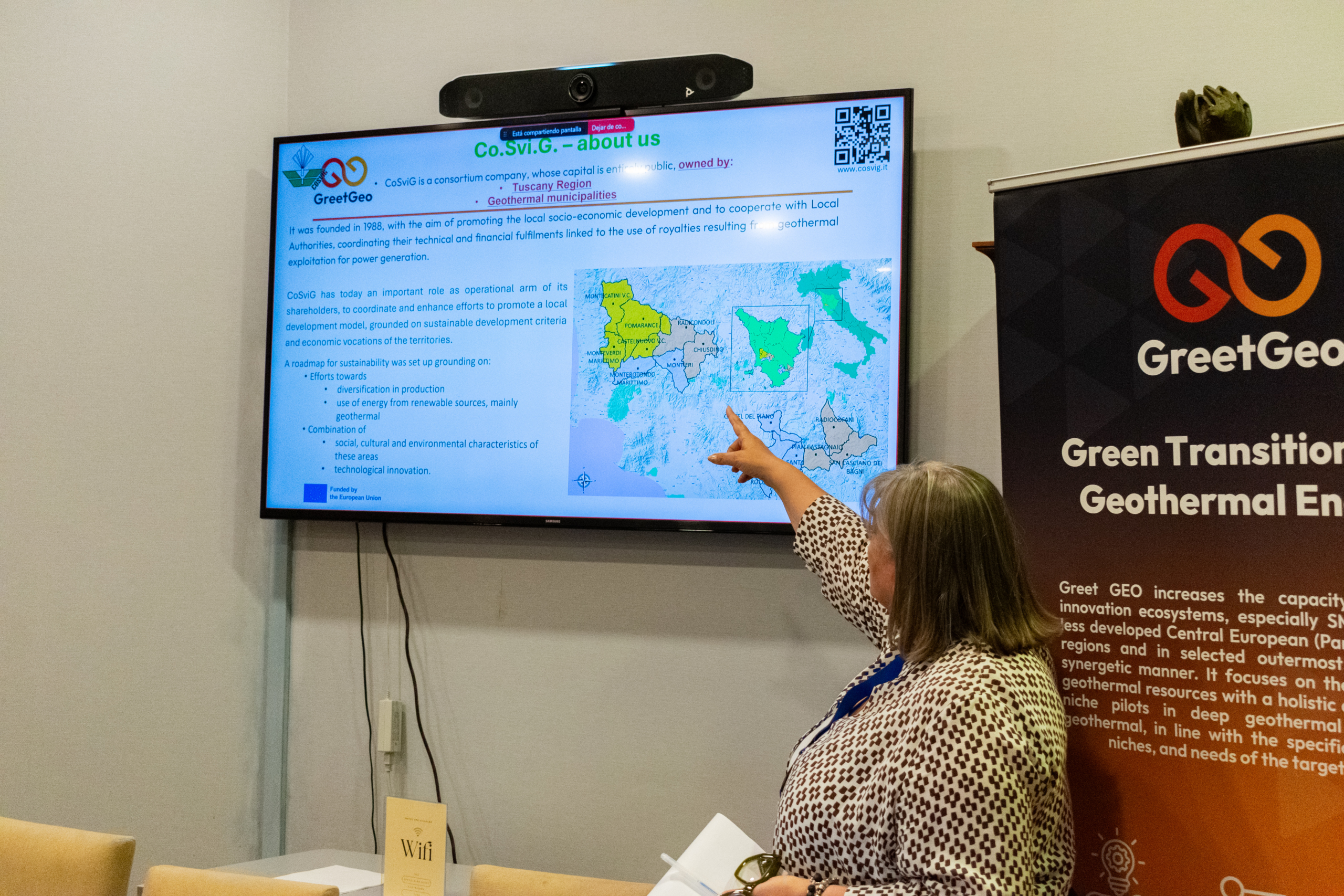
Italian case studies of geothermal energy utilization in the agri-food sector – Loredana Torsello, Consortium for the Development of Geothermal Areas (COSVIG)
12:30-12:45
HeatInvest – Boosting up the heatpump business value chain – István Nagy-Korodi, Ph.D., South Transdanubian Regional Innovation Agency (STRIA) (online)
12:45-13:00
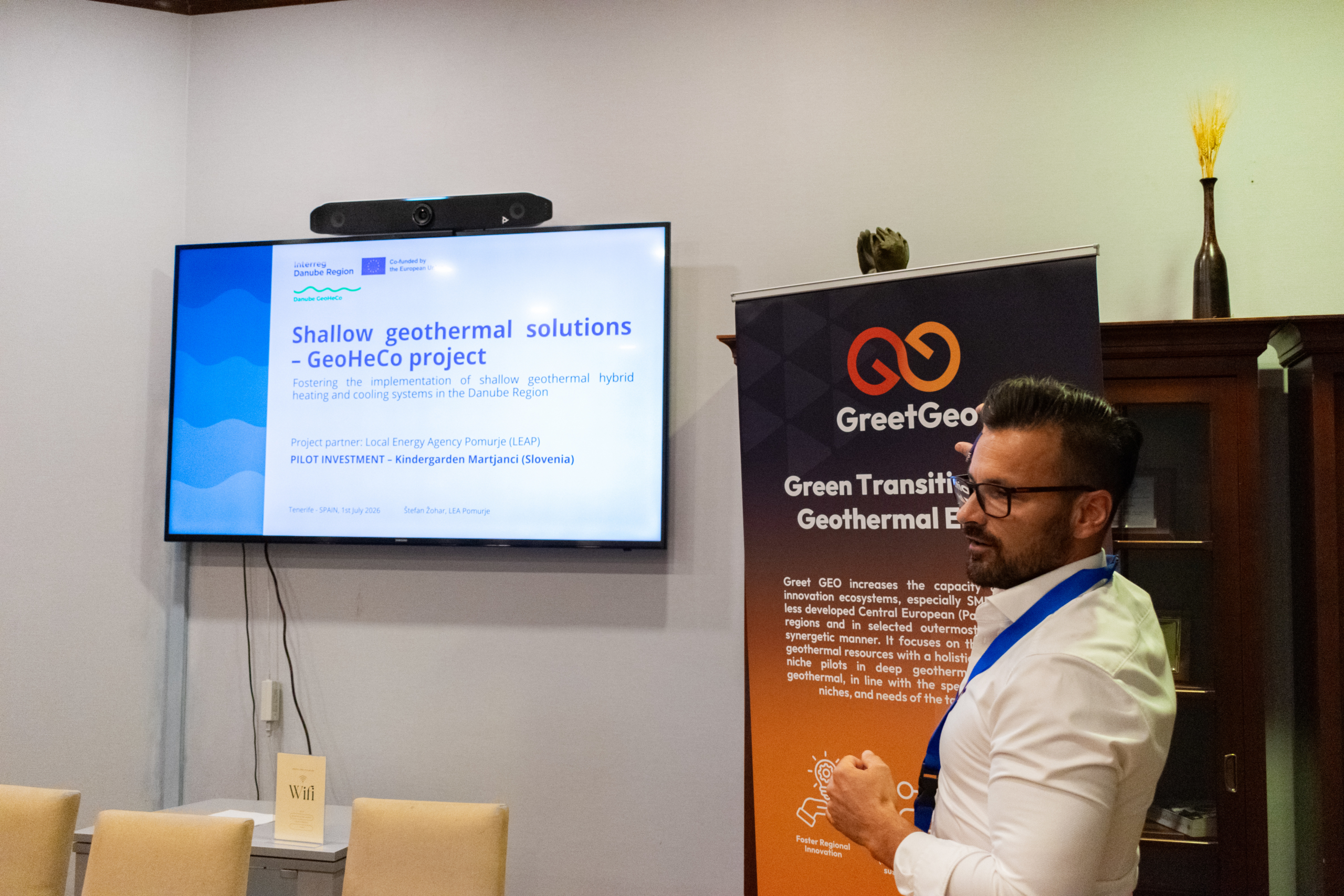
Shallow geothermal solutions, GeoHeCo project – Stefan Zohar, Local Energy Agency for Pomurje, Slovenia (LEAP)
13:00-13:15
Waste heat utilisation & existing infrastructure (wastewater[1], solar pV) – Tamas Solymosi, First Hungarian Energy Service and Development Ltd. (EMEF)
13:15–14:00 | From Barriers to Implementation: Priorities for Geothermal Development and Interregional Cooperation
Focus: Environmental conditions of geothermal utilisation in Tenerife
The second day will provide participants with a guided study tour across key geothermal, volcanic and renewable energy sites in Tenerife. The programme will offer insights into the island’s geological structures, environmental conditions, renewable energy infrastructure and future geothermal development opportunities, while exploring the links between energy transition, natural heritage and regional innovation.
[1] an estimated >50 MW unused wastewater waste heat capacity available in Tenerife (near potential users) for cooling, heating and domestic hot water preparation
Due to their volcanic origin and high geothermal gradients, the Canary Islands hold significant
geothermal potential. Both shallow and deep geothermal solutions offer concrete opportunities
for decarbonisation, energy autonomy, and economic diversification.
This GREET GEO networking event brings together stakeholders from the quadruple helix
(public sector, industry, academia, and civil society) to explore realistic, bankable geothermal value chains, including applications linked to
the energy–water nexus such as desalination, agriculture, tourism, and hybrid renewable systems.
Event Objectives
Identify solutions to unlock shallow and deep geothermal potential
Exchange best practices and interregional experiences
Discuss regulatory, financial, technical, and communication challenges
Explore business opportunities for local SMEs and project developers
Strengthen regional geothermal innovation ecosystems under GREET GEO
Preliminary Agenda Overview
Day 1 – Stakeholder Engagement Workshop & Site Visit
1 July 2026 | 09:00–19:30 (UTC+1)
Location: Hotel Spa Villalba, Vilaflor
Registration, welcome and stakeholder presentations
Canarian overview: geothermal energy status, prospects & issues
European best practices on shallow and deep geothermal energy
Interactive panel discussion (PESTEL-based)
Site visit to the geothermal exploration pilot plant in Vilaflor
Focus on energy–water nexus, environmental and spatial constraints
Day 2 – Study Tour
2 July 2026 | 09:00–12:00 (UTC+1)
Focus: Environmental conditions of geothermal utilisation in Tenerife (Teide National Park)
Who Should Attend?
Public authorities and policy makers
Energy agencies, utilities, and infrastructure operators