
Greet GEO Canarian Networking Event and Study Visit Brings Together Key Geothermal Stakeholders in Tenerife
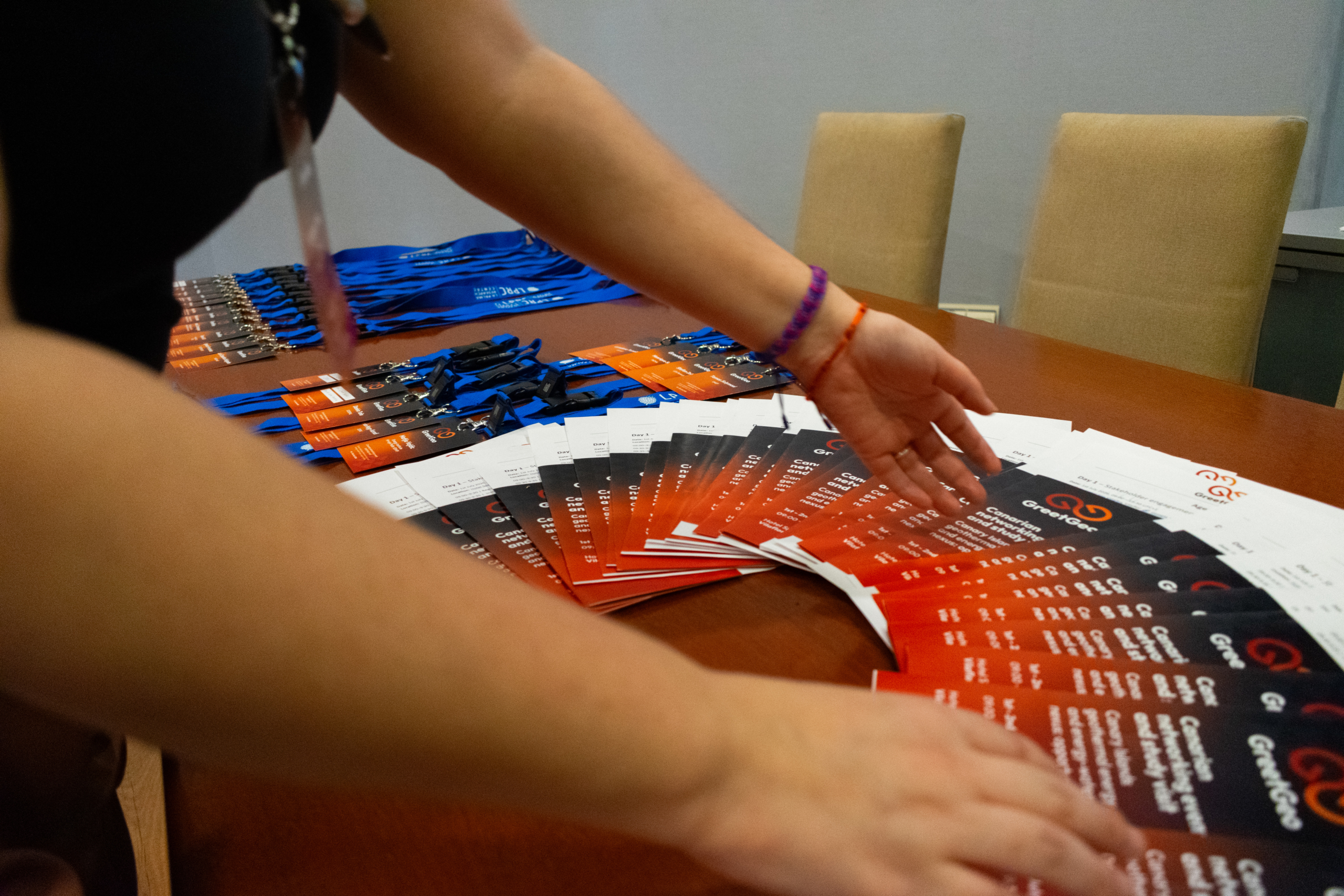
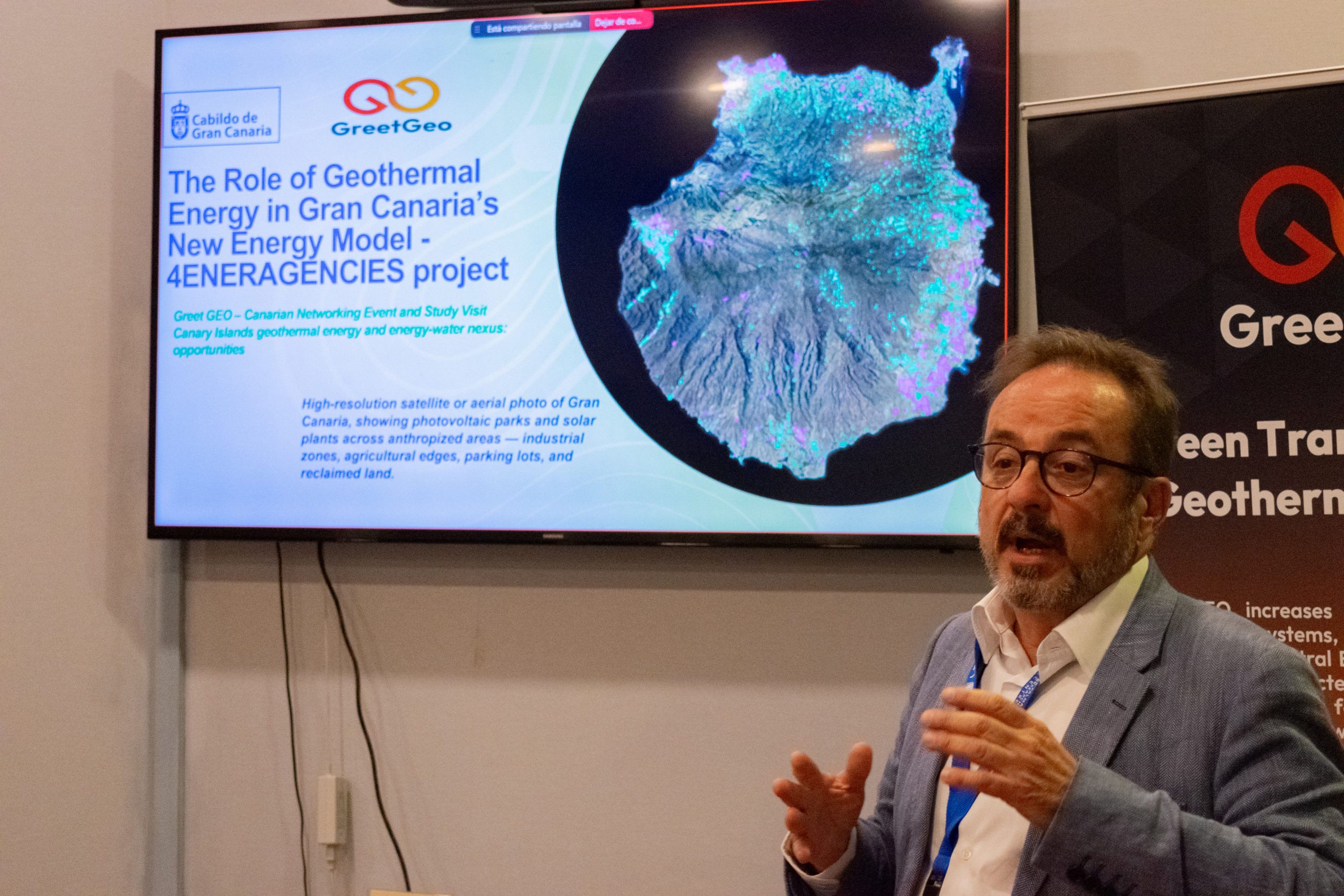
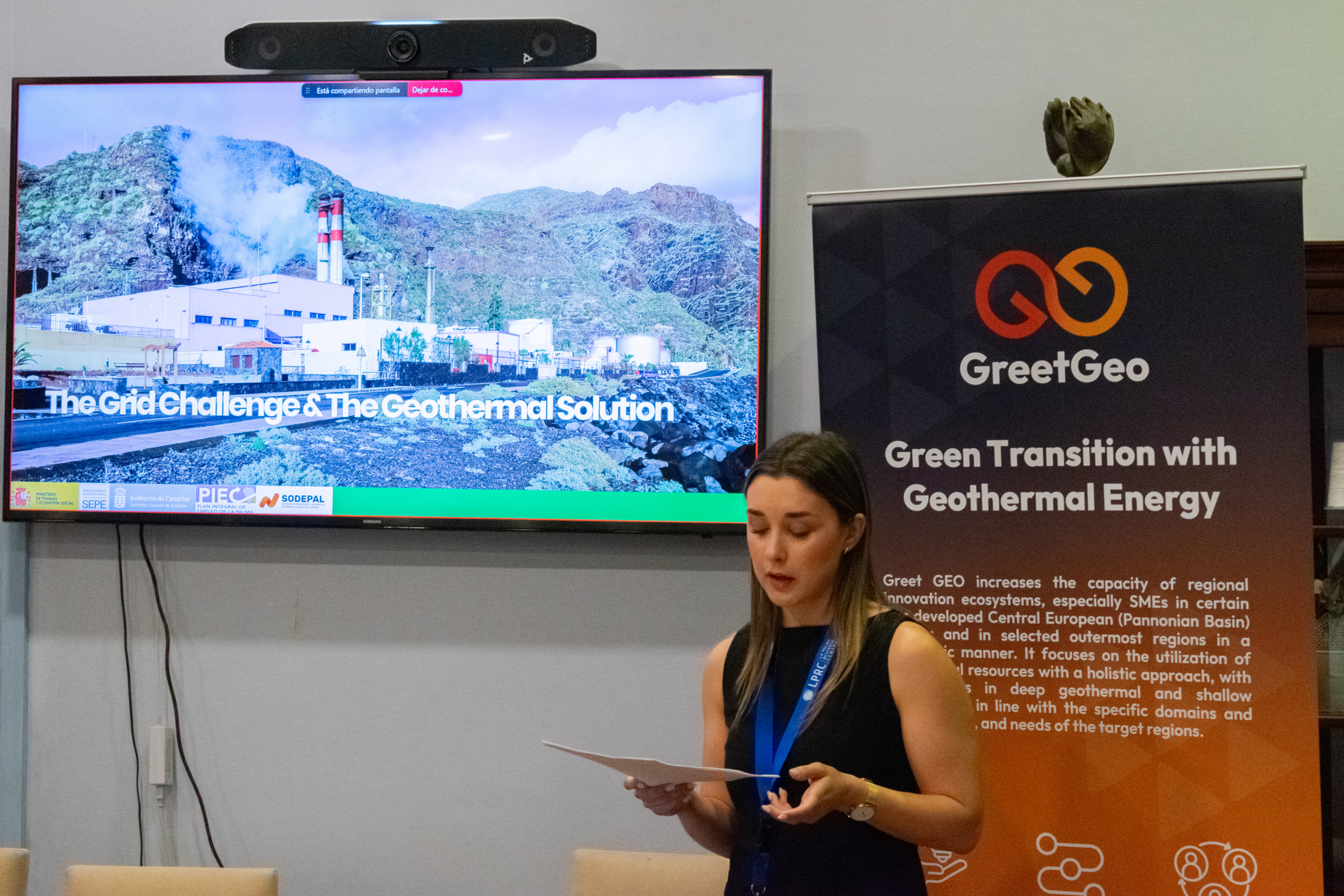
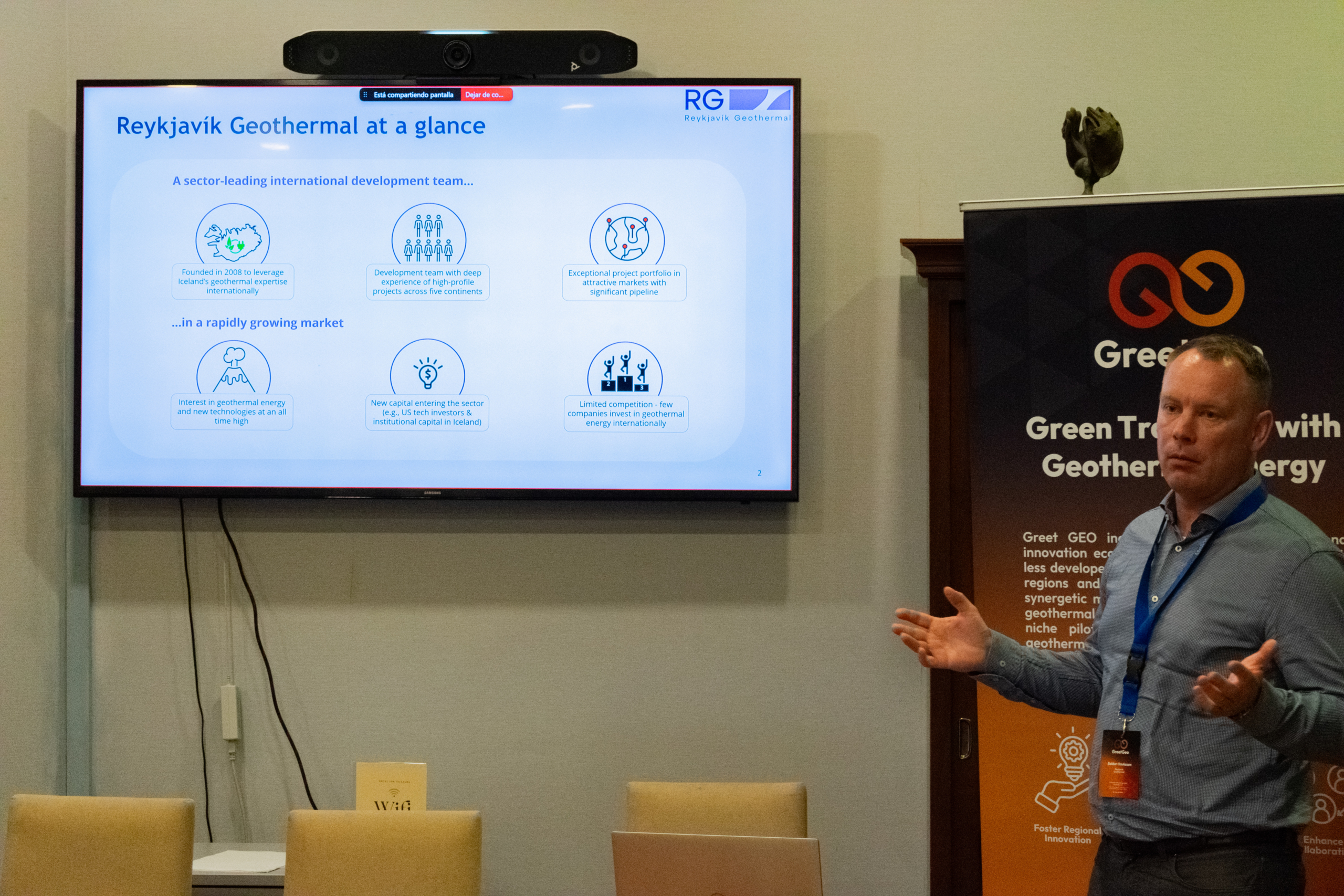
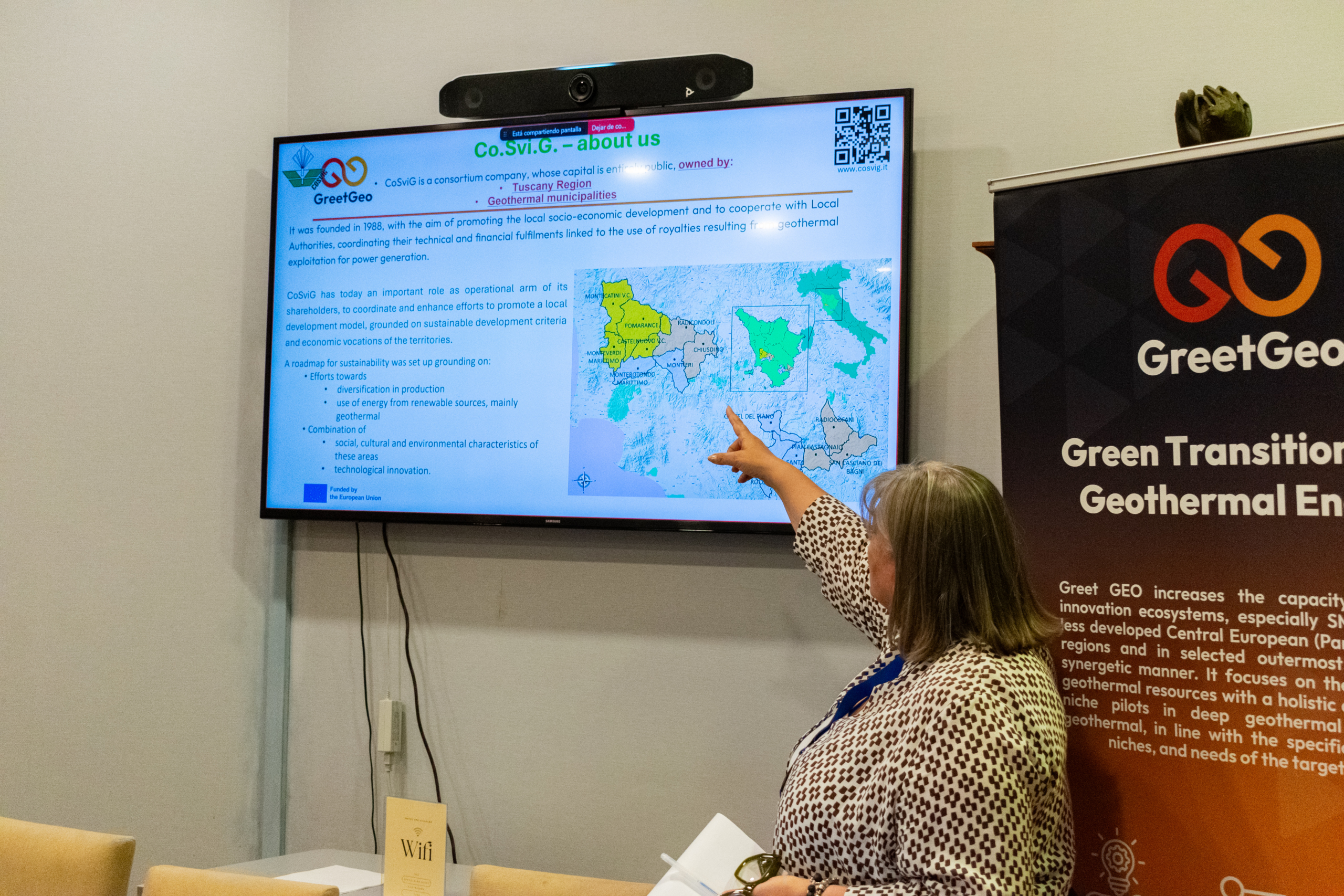
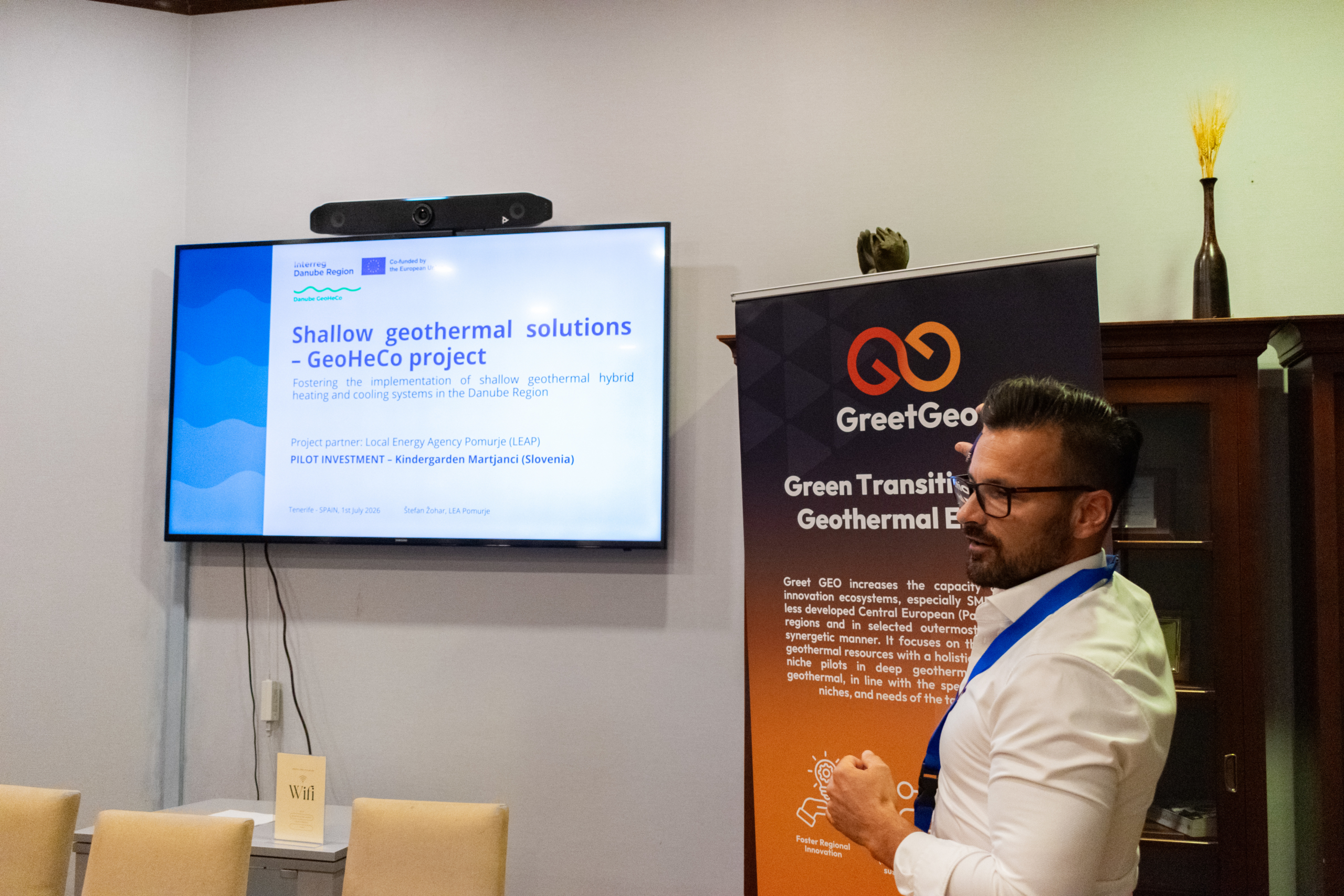
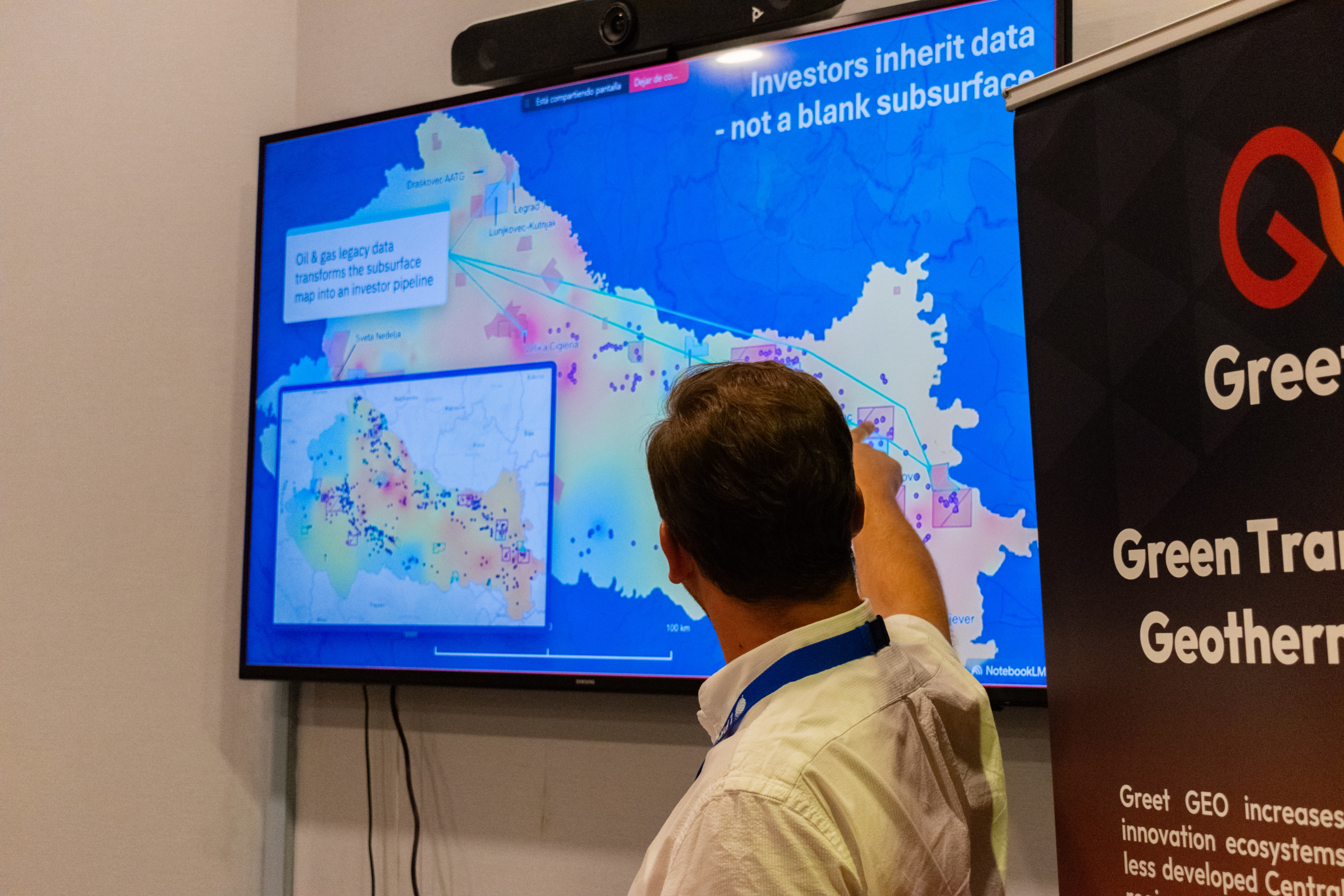
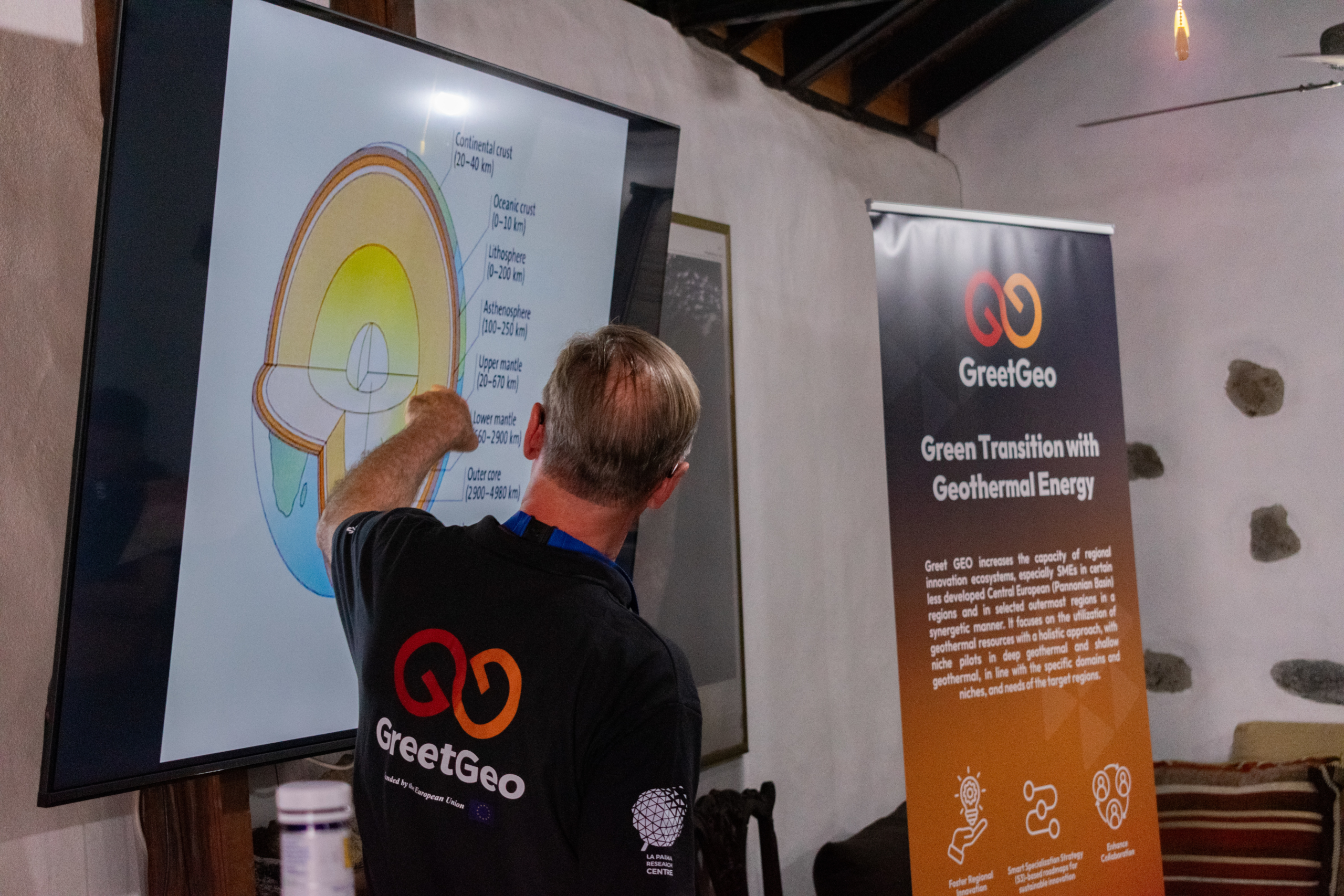

The Greet GEO Canarian Networking Event and Study Visit successfully brought together around 30 participants in person, alongside additional attendees joining online, for two days of discussion, knowledge exchange and field visits focused on the future of geothermal energy in the Canary Islands. The event was held in the town of Vilaflor, Tenerife, Spain during the 1st and 2nd of July.
The event gathered representatives from the Greet GEO consortium, public authorities, research centres, energy agencies, energy communities and other stakeholders interested in advancing geothermal solutions and strengthening the energy transition in the archipelago. Among the participants were representatives from the Cabildo de Gran Canaria, local and regional organisations, geothermal experts and members of the wider innovation ecosystem.
The first day focused on stakeholder engagement and explored the opportunities offered by geothermal energy and the energy-water nexus in the Canary Islands. Discussions highlighted how geothermal resources can contribute to greater energy autonomy, decarbonisation and economic diversification across the region. Participants also examined the challenges and opportunities associated with both shallow and deep geothermal development, as well as potential pathways for investment, innovation and interregional cooperation.
The programme featured presentations from several leading experts and institutions. Daniela Taño (SODEPAL) presented geothermal project development opportunities in La Palma. Raúl García Brink, Councillor for Environment, Climate, Energy and Knowledge at the Cabildo de Gran Canaria, addressed the role of geothermal energy within Gran Canaria evolving energy model. Alejandro García Gil of CSIC-IGME shared insights into geothermal-water nexus innovation opportunities and the potential of shallow geothermal systems in the Canarian context. Gabriel López, representing the Canary Islands Institute of Technology (ITC), contributed perspectives on geothermal heat pumps and low-temperature district heating solutions. Baldur Hauksson of Reykjavík Geothermal discussed the advancement of deep geothermal development in the Canary Islands, including the Vilaflor project spearheaded by DISA Group.
In addition to the keynote contributions, members of the Greet GEO consortium shared experiences and best practices from different European regions, fostering dialogue on successful geothermal applications, policy frameworks and financing mechanisms that could support future developments in the Canary Islands.
The second day included a study visit to Teide National Park, providing participants with a broader understanding of Tenerife’s volcanic and geothermal environment and highlighting the close connection between the island’s natural heritage and its renewable energy potential.
The event aimed to reinforce the importance of collaboration between public authorities, research organisations, industry representatives, energy communities and citizens in unlocking the Canary Islands’ geothermal potential through bringing together expertise from across Europe and the region, the Greet GEO Canarian Networking Event hope to have contributed to building new partnerships and advancing the conversation on sustainable geothermal development in the archipelago.